
Review · SORRENTO COOKING CLASSES
Authentic Pasta Cooking Class in Sorrento with Wine
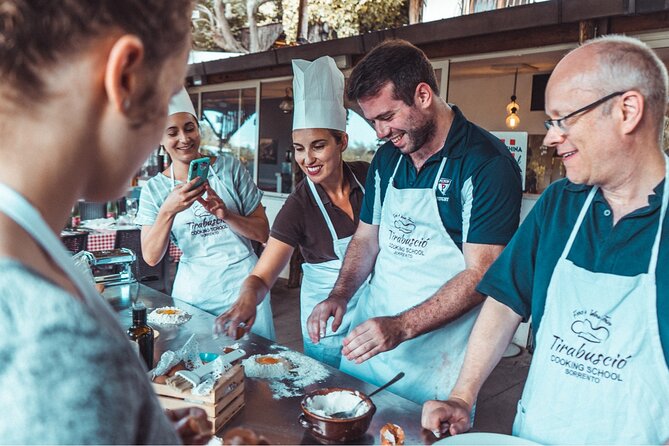
Fresh pasta in Sorrento feels personal. I like this class because you make fresh ravioli from scratch and eat it right after, then you sip local wine that matches the meal. The one thing to watch is that the wine pours can be light, and a few people may wish for more hands-on time.
You get it done in about 2.5 hours with a small group (up to 20) and a convenient pickup shuttle from the center. The vibe is friendly and upbeat, and guides like Teresa are known for being patient when the dough gets tricky.
In This Review
- Key things I’d circle before you go
- Fresh Ravioli and Eggplant Parmigiana in Sorrento’s Hills
- Meet at Vallone dei Mulini: Getting There and Getting Ready
- Starter Tasting: Olive Oil and Handmade Mozzarella
- Ravioli Caprese Workshop: Dough, Filling, and Sealing
- Eggplant Parmigiana: Classic Comfort With Real Technique
- Wine With Dinner: What to Expect (and Why It Can Feel Uneven)
- The Food You’ll Actually Eat: More Than Two Dishes
- Price and Value: Is $114.65 Fair for Sorrento?
- Language, Pace, and How Hands-On It Really Feels
- Who Should Book This Class (and Who Should Skip It)
- Should You Book This Authentic Pasta Cooking Class?
- FAQ
- How much does the pasta cooking class cost?
- How long is the experience?
- What will I make and eat during the class?
- Is wine included?
- Is pickup or a shuttle provided from Sorrento?
- Where is the meeting point?
- What is the cancellation policy?
Key things I’d circle before you go
- Fresh ravioli, not just watching: you work the dough and assemble stuffed ravioli.
- Olive oil + handmade mozzarella starter: simple flavors that set the tone for the meal.
- Eggplant parmigiana the classic way: comforting, home-style cooking with real technique.
- Wine during the class: included, served alongside what you’re making and eating.
- Small group energy with Teresa: explanations stay clear, even if your hands are new to pasta.
Back to the kitchen with a few more classes
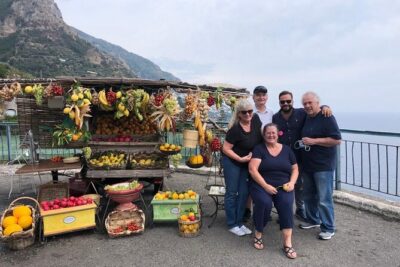
- Sorrento: Cook Like a Local with a Stunning Sea View★ 5.0 · 763 reviews
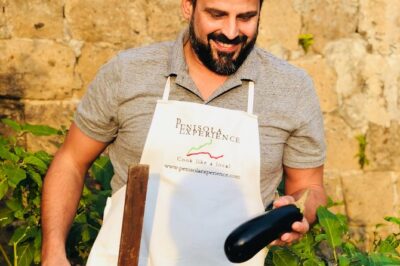
- Sorrento: Pasta and Tiramisu Cooking Class with Wine★ 4.8 · 597 reviews
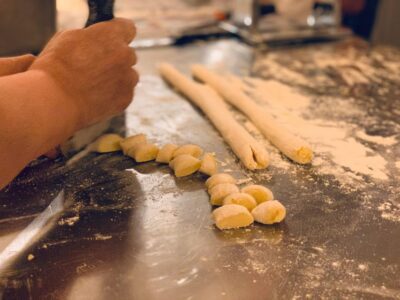
- Hands-On Italian Cooking Class with Local Sorrento Chef★ 5.0 · 283 reviews
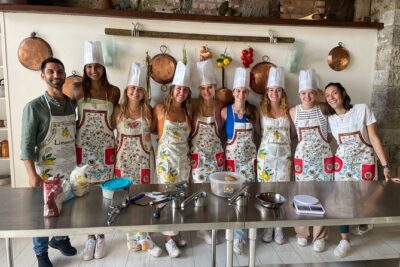
- Shared Cooking Class with Fresh Garden Ingredients in Sorrento★ 5.0 · 194 reviews
Fresh Ravioli and Eggplant Parmigiana in Sorrento’s Hills
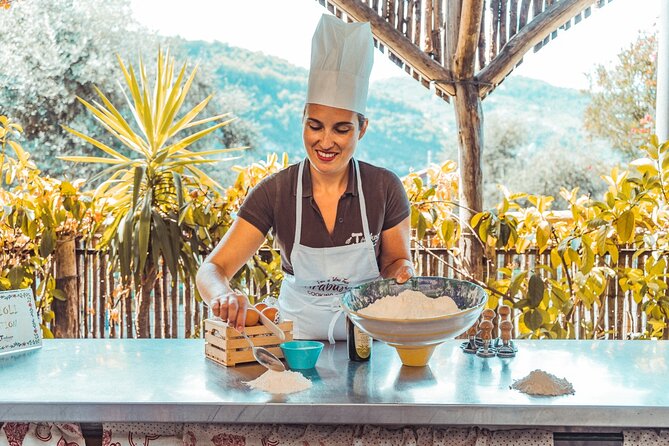
This is the kind of cooking class that makes sense in Sorrento. You’re not just eating Italian food with a view; you’re learning the parts that create the flavors you already love. The focus is practical: fresh pasta, then eggplant parmigiana, plus a starter built around mozzarella and olive oil.
Two parts tend to win people over fast. First, you’re hands-on with ravioli dough and stuffing instead of sitting back. Second, the meal doesn’t feel like an afterthought; local wine shows up during the experience, so you’re tasting while you cook.
There’s one note to keep expectations realistic: the “hands-on” level can vary depending on group flow. Some people come away feeling fully involved, while others want even more time working directly at the station. Plan to participate, ask questions early, and you’ll likely get what you want from it.
Meet at Vallone dei Mulini: Getting There and Getting Ready
The class meets at Vallone dei Mulini, Via Fuorimura 1, 80067 Sorrento NA, Italy. If you’re starting from the Sorrento center, a shuttle service is included, and pickup is offered. That matters more than it sounds. Cooking classes can feel rushed when you’re figuring out transport and parking, so having a built-in way to arrive lets you show up relaxed—important when you’re about to handle dough.
The session runs about 2 hours 30 minutes (approx.), and it ends back at the meeting point. Expect a structured rhythm: starter tasting, main cooking (ravioli), then eggplant parmigiana, with wine and eating worked into the timeline.
Also, keep the group size in mind. The class caps at 20 travelers, which is small enough for explanations to land. It’s not a private class, though—so if you’re the type who wants one-on-one supervision every minute, you might find you’re sharing attention with the rest of the group.
Starter Tasting: Olive Oil and Handmade Mozzarella
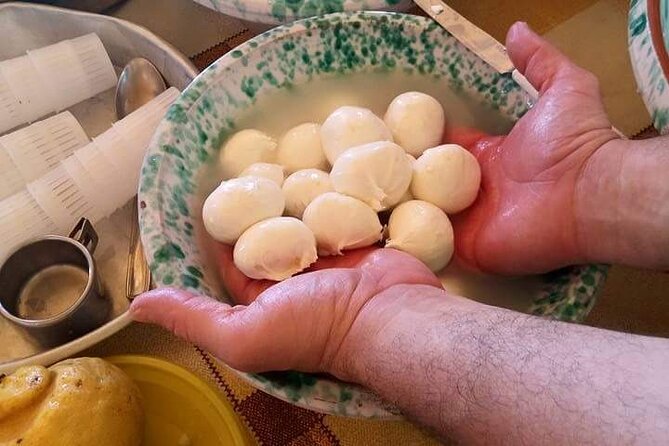
Before you roll anything, you get a tasting that anchors the whole experience: olive oil and handmade mozzarella. This is more than a snack. It trains your palate to notice what makes Italian ingredients taste different when they’re treated simply and well.
You learn the idea that the “wow” flavor isn’t only in the sauce. Olive oil quality shows up immediately—peppery notes, soft fruitiness, and a clean finish when it’s handled right. Handmade mozzarella has a different texture than the supermarket stuff most of us grew up with: it’s milky and tender, and you can taste the freshness.
This starter also helps you understand what comes next. Ravioli isn’t just pasta shaped into a pocket. The dish relies on the right kind of cheese and the ability to build flavor into a simple tomato sauce.
Ravioli Caprese Workshop: Dough, Filling, and Sealing
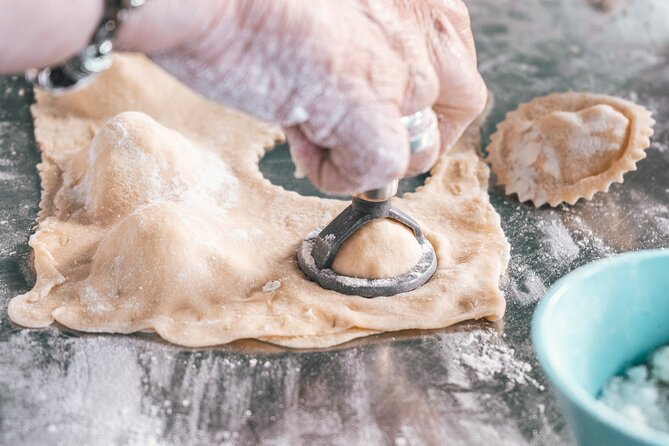
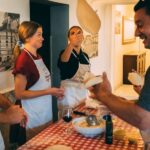
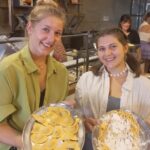
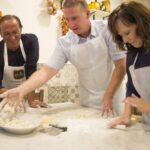
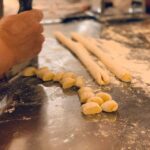
The main event is ravioli, and it’s set up like a real skill-building session. You prepare fresh pasta to make ravioli stuffed with mozzarella and ricotta, then pair it with a classic traditional tomato sauce.
The key win here is that you don’t just eat ravioli—you learn the steps that make it possible:
- You make the pasta dough.
- You stuff and shape ravioli.
- You cook it so the pockets hold together.
In the reviews, people highlight that instructors explain details clearly, and that guides like Teresa stay patient when students are figuring out the dough. That’s a big deal. Ravioli can feel intimidating until you see it broken into manageable steps. When someone keeps the tone friendly and the pace steady, you stop worrying about messing up and start focusing on doing it correctly.
If you want the best results, show up hungry and ready to slow down. Fresh pasta dough is temperamental. It responds to timing and texture. If you rush or get nervous, your dough can get sticky or tear when you shape it. Treat it like a hands-on craft, not a test.
One more practical thing: this class is run in English, so you can follow technique instructions without guessing. That helps when you’re learning what “right texture” feels like.
Keep looking: more Sorrento trips along the same coast

Eggplant Parmigiana: Classic Comfort With Real Technique
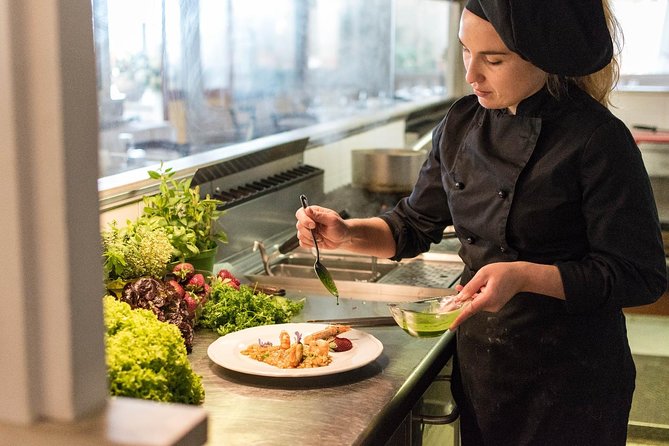
After ravioli, you move into eggplant parmigiana (aubergine parmigiana). This is where the experience feels especially “Sorrento” in spirit: humble ingredients, layered and cooked until they become something bigger than the sum of parts.
The reviews point out mixed impressions of the eggplant itself—still good, but not everyone’s favorite version. That’s not unusual for parmigiana across different kitchens. Eggplant quality, salt timing, and how the layers are cooked all shape the final bite. Even when the technique is solid, you may notice small differences from what you’ve tasted in other parts of Italy.
Still, the overall value is that you’re not just assembling food. You’re learning how the dish comes together after you’ve already practiced pasta skills. You end up with a full meal you helped build, which makes the taste feel more personal.
Tip: eat what’s in front of you while it’s warm. Eggplant parmigiana is best when the layers are hot and the cheese has that melt-and-set texture. Let it cool and it turns heavy fast.
Wine With Dinner: What to Expect (and Why It Can Feel Uneven)
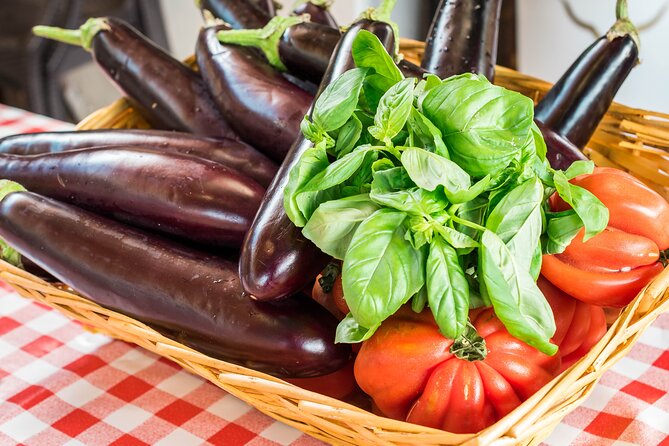
Wine is part of the experience. You taste local wine while you’re cooking and eating, and it’s clearly meant to pair with the meal you’re making. In the positive feedback, people call the wine delicious and say it added to the overall fun.
But there’s a drawback to plan for: some people felt the wine was limited. That likely comes down to serving style—maybe small pours instead of an ongoing glass refill. If you’re the type who wants a steady flow of wine, you may end up thinking it’s not enough.
My practical advice: treat the wine as a welcome accompaniment, not a wine-tasting tour. If you love wine, plan to enjoy it here, then consider adding a second stop afterward for a proper pour somewhere in town.
Also, because this is a cooking-and-eating class (not a guided vineyard visit), the point isn’t education about vines and terroir. The point is pairing it with food you just learned to cook.
The Food You’ll Actually Eat: More Than Two Dishes
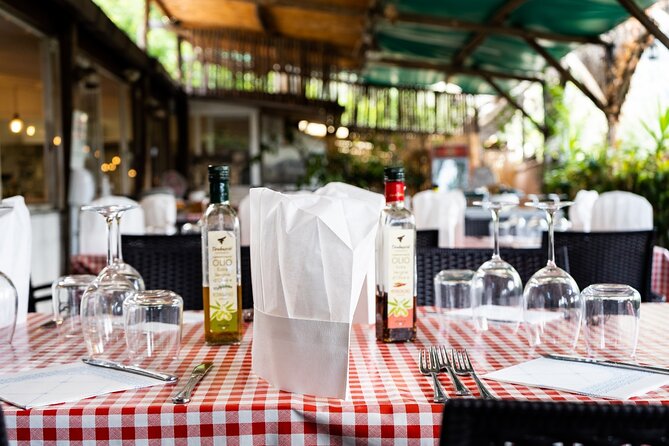
The sample menu is straightforward:
- Starter: tasting of olive oil and handmade mozzarella
- Main you make: ravioli caprese
- Second main: eggplant parmigiana
One review also mentions tiramisu being part of the meal, so you might find dessert served as part of the experience. Even if dessert varies, you should expect a full, sit-down meal component after cooking.
This structure is one reason the class feels worth it. You’re not spending time learning skills and then leaving hungry. The meal is the payoff for the work—fresh ravioli and eggplant parmigiana right after your hands learn the steps.
Price and Value: Is $114.65 Fair for Sorrento?
At $114.65 per person, this class isn’t a budget activity. But value in Italy often comes down to what you’re getting, not just what it costs.
Here’s the practical value equation I see:
- You cook fresh pasta, with ingredients that taste noticeably better when they’re handmade.
- You eat what you make—ravioli and eggplant parmigiana—so your money buys both instruction and the meal.
- Local wine is included, which adds to the dining side of the experience.
- A shuttle/pickup from Sorrento center reduces hassle, which is real value in hill-town logistics.
- The group stays small (max 20), which helps you get answers and guidance.
Is it expensive compared with a quick “pasta dinner with music” kind of thing? Yes. But it also delivers a skill you can repeat later: fresh ravioli with a cheese-and-tomato rhythm that translates well at home.
If your budget is tight, you could still make good pasta in a restaurant—but you won’t learn the steps. If your goal is hands-on cooking, this price starts to feel more reasonable.
Language, Pace, and How Hands-On It Really Feels
The class runs in English, so you can follow without switching languages mid-step. You’ll also spend time listening while techniques are explained, then time working while the instructors guide.
Where the experience can differ is the level of individual attention during peak moments—like when ravioli is being shaped or when sauce timing matters. That’s the part that can make someone say it wasn’t very hands-on. If the group is moving as a unit, you may watch some steps first and then jump in on others.
On the flip side, the best moments in the reviews are tied to patient coaching and clear explanations. People call out that chefs explain details well and that Teresa is patient. If you arrive ready to participate and you ask for help when you get stuck, you’ll likely feel more involved.
Who Should Book This Class (and Who Should Skip It)
This is a great fit if you:
- Want a hands-on cooking experience in Sorrento rather than a passive meal.
- Like Italian food basics: mozzarella, olive oil, tomato sauce, ravioli, and eggplant parmigiana.
- Appreciate instructors who explain clearly and keep a friendly pace.
- Want a small-group activity that ends with a real meal.
You might consider skipping if you:
- Expect a wine-heavy experience or constant refills.
- Want a super-individual, private lesson where every student gets nonstop direct attention.
- Only care about the “best possible parmigiana in Italy” and not the learning process.
The sweet spot is learning what you’re eating, then eating it while it’s still at its best.
Should You Book This Authentic Pasta Cooking Class?
I’d book this if you want real cooking practice in Sorrento: fresh pasta, stuffed ravioli, and eggplant parmigiana, plus a starter tasting and local wine. The strong recommendation rate and the focus on clear teaching—often with praise for Teresa—point to an experience that’s fun, structured, and satisfying when you come hungry.
Just go in with two expectations set. First, treat the wine as included but not guaranteed to be endless. Second, assume it’s group-based instruction, so hands-on time may vary a bit. If you’re okay with that, this class is one of the more practical ways to turn a Sorrento visit into a skill you can recreate later.
FAQ
How much does the pasta cooking class cost?
It costs $114.65 per person.
How long is the experience?
The duration is about 2 hours 30 minutes.
What will I make and eat during the class?
You’ll prepare fresh pasta to make ravioli stuffed with mozzarella and ricotta with tomato sauce, plus eggplant parmigiana. You also start with a tasting of olive oil and handmade mozzarella.
Is wine included?
Yes. Local wine is included as part of the experience while you cook and eat.
Is pickup or a shuttle provided from Sorrento?
Yes. Pickup is offered, and shuttle service from the Sorrento center is included.
Where is the meeting point?
The meeting point is Vallone dei Mulini, Via Fuorimura 1, 80067 Sorrento NA, Italy.
What is the cancellation policy?
You can cancel for free up to 24 hours in advance of the experience start time for a full refund.
More Cooking Classes in Sorrento


More Tour Reviews in Sorrento
- Sorrento Farm and Food Experience including Olive Oil, Limoncello, Wine tasting
★ 5.0 · 2,524 reviews





More Sorrento Cooking Classes
Just off the boat: newer Sorrento reviews





Sorrento Cooking Classes, compared.
 ★ 5.0Cook Like a Local with a Stunning Sea ViewFrom $156763 reviews
 ★ 4.8Pasta and Tiramisu Cooking Class with Wine597 reviews
 ★ 5.0Hands-On Italian Cooking Class with Local Sorrento ChefFrom $193283 reviews
 ★ 5.0Shared Cooking Class with Fresh Garden Ingredients in SorrentoFrom $145194 reviews
 ★ 5.0Authentic Pasta & Pizza Cooking Class with Sorrento Coast PickupFrom $157175 reviews
 ★ 4.5Pasta and Tiramisu Cooking Class with Lunch and WineFrom $107165 reviews
 ★ 5.0Cooking Class: Your Culinary Love Affair in SorrentoFrom $169161 reviews
 ★ 5.0Authentic Local Cooking Class and MealFrom $169153 reviews
Browse the lists this tour appears in