
Review · PIZZA MAKING IN SORRENTO
Sorrento: Pizza Making Class
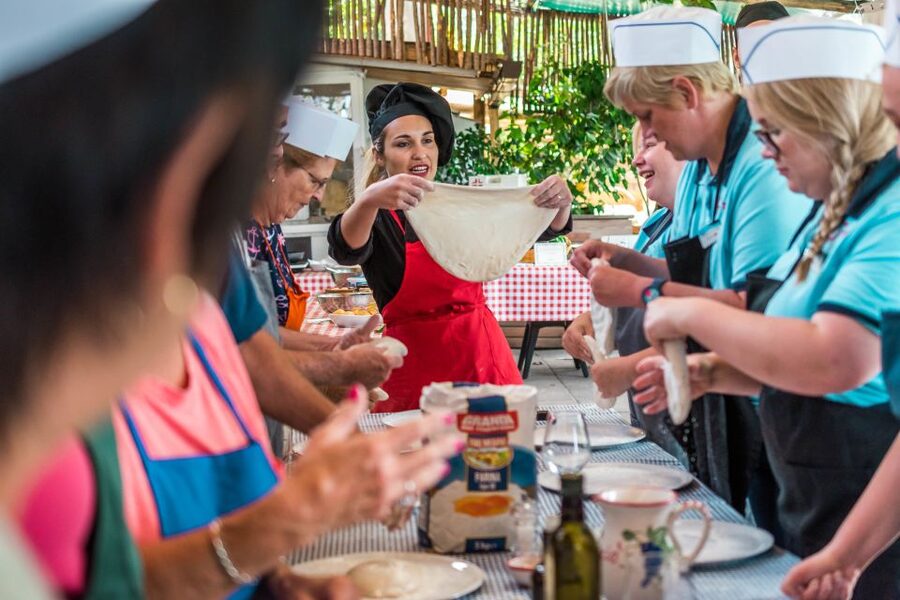
Neapolitan pizza lessons in Sorrento feel oddly satisfying. You’ll learn the method behind real pizza dough and how to stretch it, then bake your own pie in a traditional oven with Luigi and the team at Sorrento Coast-Cooking School, Tirabuscio. I love that it’s hands-on and practical, not just watching from the sidelines.
I also like the food journey that runs alongside the pizza: tasting fresh mozzarella, trying different olive oils, then pairing your meal with local wine and finishing with tiramisu. One drawback to plan around: this takes place up in the hills, about a 15-minute drive from Sorrento’s center, so you’ll rely on the included pickup and drop-off to get there smoothly.
In This Review
- Key highlights you should care about
- The Sorrento Hills Base: Tirabuscio cooking school and the view factor
- Pickup, the welcome pour, and what’s on the table before dough
- Mozzarella, made in front of you: why it changes how you cook
- Neapolitan dough: what you’ll learn, and the 24-hour rise reality
- Shaping and topping your pizza: build-your-own, with guidance
- The brick oven moment: heat, timing, and that 2–3 minute rush
- Lunch-style eating: wine pairing, olive oil tasting, and tiramisu
- What makes the price feel fair at $71 per person
- Who should book this class (and who might want to choose differently)
- Practical tips so your class goes smoothly
- Should you book the Sorrento pizza-making class?
- FAQ
- How long is the Sorrento pizza-making class?
- Is pickup and drop-off included?
- Are the instructors fluent in English?
- What food and drinks are included?
- Do you bake your own pizza?
- Is the dough made fresh the same day?
- Is there gluten-free support?
- Is the activity wheelchair accessible?
Key highlights you should care about
- Luigi (and Laura) teach the process in English, with plenty of tips for first-timers
- Mozzarella + olive oil tasting before you start building your pizza
- Neapolitan dough know-how, with the realistic note that dough needs a 24-hour rise
- You shape, top, and bake your own pizza in a traditional oven
- Wine, lunch-style pizza eating, and tiramisu included in the experience
- Gluten-free handling is possible (separate preparation and gluten-free ingredients have been provided)
More aprons on: other pizza sessions
- Sorrento: Pizza Lesson, Wine, and Limoncello at a Local Farm★ 5.0 · 1,513 reviews
- Pizza School with Wine and Limoncello Tasting in a Local Farm★ 5.0 · 845 reviews
- Sorrento: Pizza Making Class★ 4.9 · 706 reviews
- Authentic Farm Tour with Pizza, Cheese, Wine & Limoncello Tasting★ 5.0 · 698 reviews
The Sorrento Hills Base: Tirabuscio cooking school and the view factor
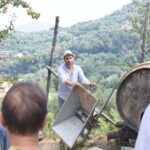
This is not a kitchen-in-a-shopping-mall kind of class. You head out of central Sorrento toward the hills to reach the cooking school area at Tirabuscio, where the setting is part of the experience. The vibe people describe is relaxed and welcoming, which matters because pizza-making is physical work—stretching dough, learning timing, and not getting flustered when the oven is hot.
The short shuttle ride (about 15 minutes from the center) is included with your ticket, so you’re not left figuring out transit. Just don’t treat this like a quick grab-and-go activity. Plan it as an afternoon you’re stepping into, not a stop you squeeze between trains.
Pickup, the welcome pour, and what’s on the table before dough
The experience starts with pickup and ends with drop-off, so you get the easiest possible flow. Once everyone gathers at the cooking school, you don’t just jump straight to flour. There’s usually a welcome setup that can include water and soft drinks, and wine shows up early in the experience.
A few details make this feel more like a local food outing than a generic demo class:
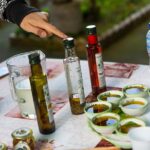
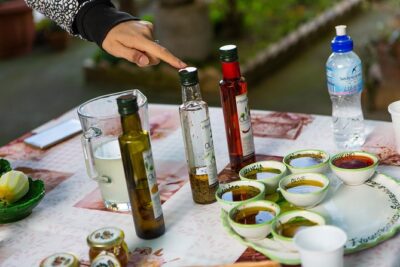
- You get to taste olive oil options before you start cooking
- There’s typically bread and wine as the group settles in
- You’re not rushed through the tastings; it’s part of the pacing
If you’re the kind of traveler who likes to learn by eating, this sequence works well. It frames the pizza lesson with the ingredients you’ll actually taste again at the end.
Mozzarella, made in front of you: why it changes how you cook
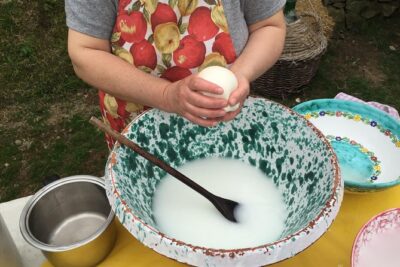
One of the most praised moments is watching mozzarella being made on-site. This isn’t just a quick taste at the table. You see the process, then you get to sample it while it’s fresh, which makes the cheese feel like a key ingredient instead of a topping.
Why that matters for you: the flavor and texture of mozzarella are a huge part of what separates Neapolitan-style pizza from the slices you know from home. When you taste it here, you start to understand what good dough and good cheese are trying to do together.
You’ll also learn basics that help you at home, like what mozzarella should feel like and why the ingredients matter more than fancy extras.
Neapolitan dough: what you’ll learn, and the 24-hour rise reality
Pizza dough is where classes can get misleading. Some tours skip the real timeline and pretend you can make Neapolitan pizza dough from scratch at 5 p.m. and bake at 5:30. Here, you get the practical version.
You learn the fresh dough method and the “expert” secrets of getting it right. At the same time, the dough used for the pizza you bake that day may be partly prepared in advance because the dough needs to rise for at least 24 hours.
So what should you expect?
- You’ll get the recipe and technique for the dough
- You may work with dough that’s already been prepared (because of the rise time)
- You still do the important hands-on steps—shaping, stretching, and topping—so you leave knowing how to finish the pizza correctly
This is one of the best parts of the value. You’re not sent home with a vague story. You get enough structure to recreate the method, even if you can’t magically speed up fermentation.
Keep looking: more Sorrento trips along the same coast

Shaping and topping your pizza: build-your-own, with guidance
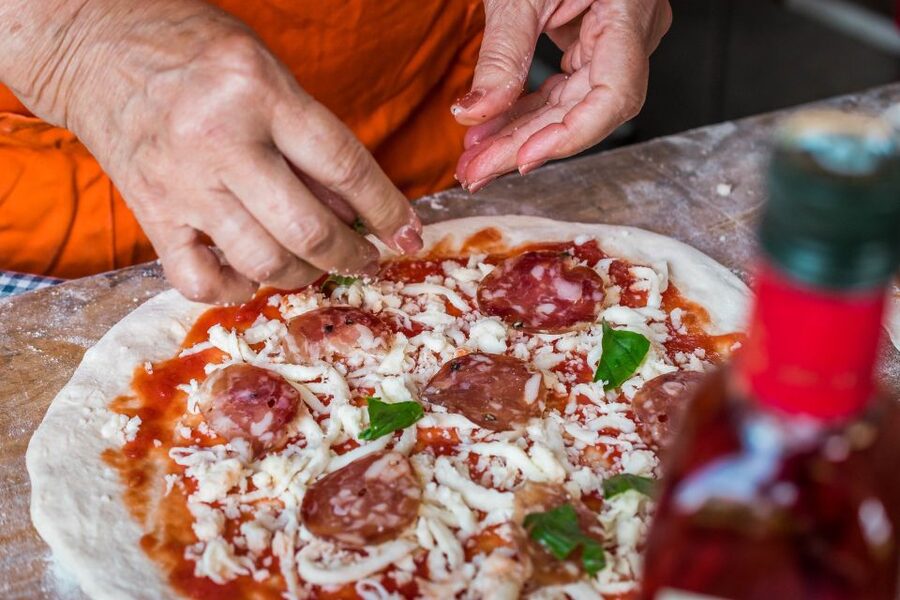
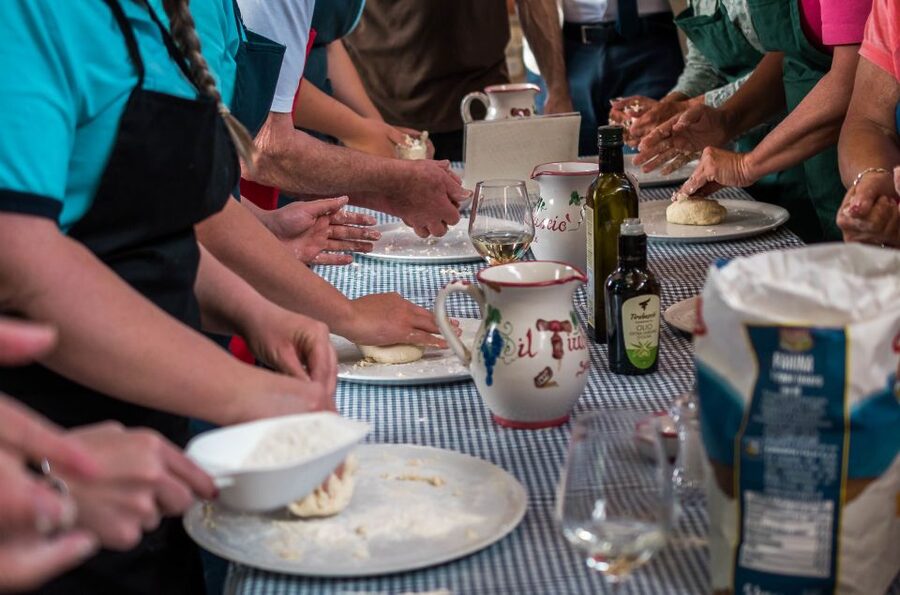
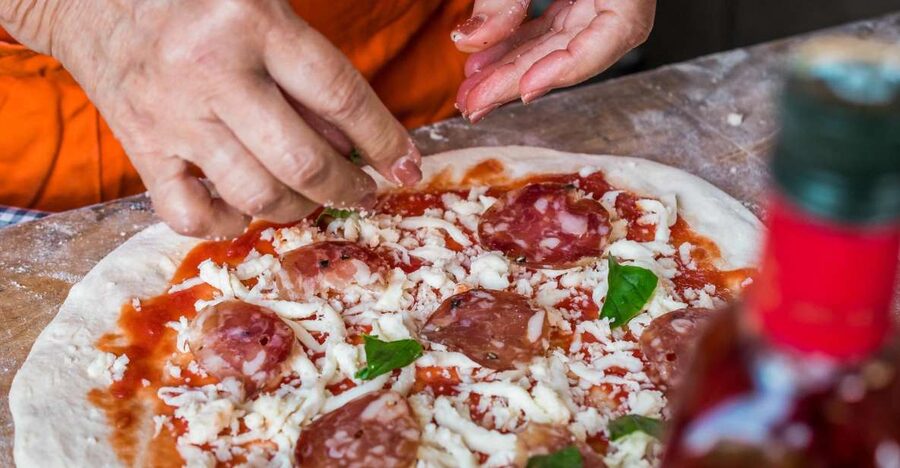
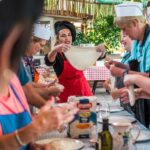
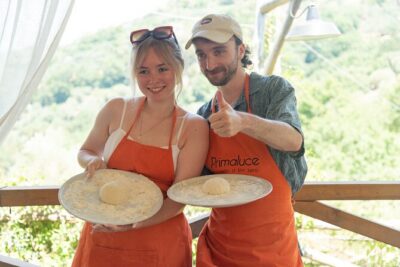
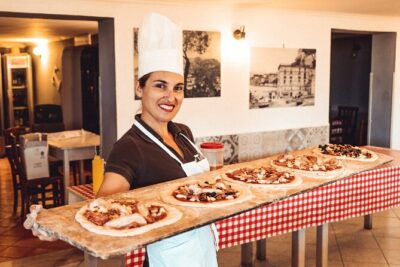
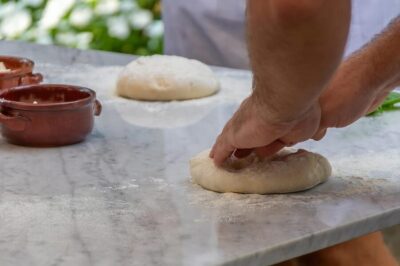
Once the dough is ready, the workshop shifts from learning to making. Each person gets their own ingredients and pizza-making station setup. The instructor team guides you through the mechanics: how to stretch the dough without crushing it, and how to top it the Neapolitan way.
What I like about this approach is that it respects first-timers. You’re not expected to already know pizza technique. Luigi’s teaching style is described as fun, energetic, and packed with practical tips. Laura and the rest of the team also help with the steps that can feel awkward if you’ve never handled dough before.
This is also where the class becomes social. A group with different skill levels still moves through the same steps, and you can watch how others handle stretching and topping. That turns the oven wait from boredom into something useful: you’re learning by doing and watching.
The brick oven moment: heat, timing, and that 2–3 minute rush
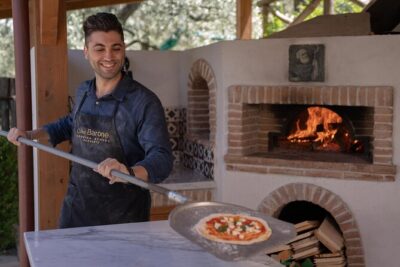
Then comes the part you’ll remember. Your pizza goes into a traditional oven—described as a special brick pizza oven—and the bake is fast. People report that cooking can take around 2–3 minutes.
This speed is exactly why good instructions matter. In a high-heat oven, you don’t have time to correct mistakes slowly. You learn to trust the process and watch the pizza finish. It’s also thrilling in a grounded way: you’re not just waiting for a finished dish to arrive. You’re watching your creation cook, fast.
And because it’s a real cooking setup (not an electric gadget), the lesson sticks. You’ll understand why Neapolitan pizza is about heat, timing, and simple ingredient balance rather than complicated tricks.
Lunch-style eating: wine pairing, olive oil tasting, and tiramisu
After your pizza bakes, the experience turns into the reward phase. You sit down and eat the pizzas you made, typically paired with wine. The wine is local, and it’s served as part of the meal rather than as an optional add-on.
Dessert is tiramisu, which many people call out as a satisfying and well-timed finish. It’s a classic choice for a reason: it’s rich, it matches the warm, comforting feeling of pizza, and it closes the loop on the “Italian food as a full experience” concept.
One more detail that adds depth: the olive oil tasting is woven into the meal rhythm. You’re not just tasting oil once. You learn about it early, taste it again through use, and then you can connect flavors across the whole course.
What makes the price feel fair at $71 per person
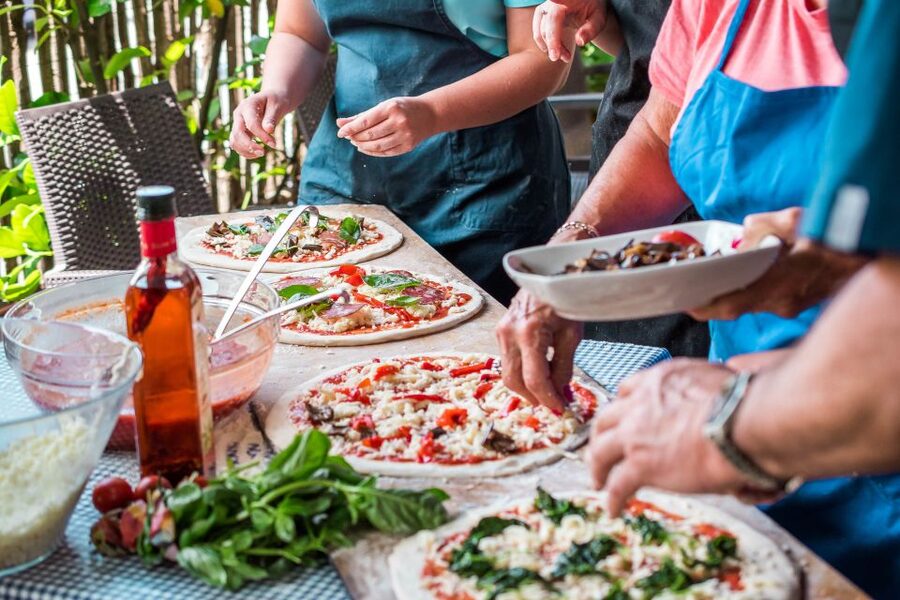
At $71 per person, you’re paying for more than a cooking demo. This class includes:
- pickup and drop-off
- water, soft drinks, and wine
- mozzarella and olive oil tastings
- pizza lesson and lunch-style eating of pizzas you make
- dessert (tiramisu)
That set of inclusions matters in Italy, especially in a place like Sorrento where organized activities can add up quickly once you factor in transport and food. Here, you’re essentially buying an evening that covers instruction plus ingredients plus eating plus transport.
What’s not included is straightforward: an apron and a bottle of olive oil are available to purchase, but they’re not part of the base price. If you like collecting kitchen souvenirs, plan on budgeting for that.
Bottom line: if you want a hands-on class that actually ends with you eating a good meal you built yourself, the price lines up well with what’s included.
Who should book this class (and who might want to choose differently)
This is a strong fit if you:
- want a compact, focused activity that teaches real pizza skills
- enjoy eating while learning—tastings, wine, and dessert aren’t afterthoughts
- are traveling with kids or teens, since the experience is family-friendly and hands-on
- have gluten-free needs and want a class that can provide gluten-free ingredients and separate preparation (based on reported experiences)
It may feel less ideal if you’re the kind of traveler who prefers silent museums over interactive work. Pizza-making requires attention and a bit of mess. You’ll be stretching dough and standing near the oven.
Also, because this is held in the hills, you should be comfortable relying on pickup and drop-off rather than planning to wander in and out on your own.
Practical tips so your class goes smoothly
I’d plan this like an activity with a short “transport + food + cooking” arc:
- Arrive ready to participate, not just watch
- Expect a ride from the center up to the cooking school area
- Ask about dietary needs directly when you book, especially if you need gluten-free ingredients
- If you want an apron or extra olive oil to take home, know those are available for purchase
One extra point: the dough timeline can surprise people. Since the dough needs at least a 24-hour rise, you may not be doing every fermentation step yourself on the day. That’s normal here. What you want is the technique, the recipe, and the ability to shape and bake properly—and you do get that.
Should you book the Sorrento pizza-making class?
Yes, if you want a genuinely Italian food experience that’s hands-on and ends in a meal you helped make. The combination of teaching from Luigi (with Laura and the team), real mozzarella and olive oil tastings, your own pizza baked in a traditional oven, and a finish of tiramisu makes it feel like more than a “fun class.”
I’d book it especially if you value skill transfer. You’ll leave with the dough approach and practical habits you can use later at home, not just a full stomach.
Skip it only if you strongly prefer self-guided sightseeing or you’re uncomfortable doing interactive cooking. Otherwise, this is one of those Sorrento activities that feels worth the time, because you go in to learn and you eat your way out.
FAQ
How long is the Sorrento pizza-making class?
The duration is listed as 1.5 hours.
Is pickup and drop-off included?
Yes. Pickup and drop-off are included.
Are the instructors fluent in English?
Yes. The instructor is English-speaking.
What food and drinks are included?
You get water, soft drinks, wine, a mozzarella and olive oil tasting, pizza made during the lesson, and tiramisu for dessert.
Do you bake your own pizza?
Yes. You make pizza during the workshop and bake it in a traditional oven.
Is the dough made fresh the same day?
The dough needs a minimum 24-hour rise, so the dough used for your baked pizza may be prepared ahead of time while you learn the dough process and recipe.
Is there gluten-free support?
In at least some cases, gluten-free ingredients have been provided and gluten-free pizza can be prepared separately.
Is the activity wheelchair accessible?
Yes, it’s listed as wheelchair accessible.
More Workshops in Sorrento


More Tour Reviews in Sorrento
- Sorrento Farm and Food Experience including Olive Oil, Limoncello, Wine tasting
★ 5.0 · 2,524 reviews





More Pizza Nights in Sorrento
Just off the boat: newer Sorrento reviews




Pizza Making in Sorrento, compared.
 ★ 5.0Pizza Lesson, Wine, and Limoncello at a Local FarmFrom $941,513 reviews
 ★ 5.0Pizza School with Wine and Limoncello Tasting in a Local FarmFrom $96845 reviews
 ★ 5.0Authentic Farm Tour with Pizza, Cheese, Wine & Limoncello TastingFrom $97698 reviews
 ★ 5.0Sorrento Farm by Tuk Tuk: Cheese, Limoncello & Hands-On PizzaFrom $211628 reviews
 ★ 5.0Farm Tour with Cheese Tasting & Pizza Making Class503 reviews
 ★ 5.0Toss, Bake, Cheers! – Sorrento Pizza Making Class with WineFrom $72443 reviews
 ★ 5.0Pasta and Pizza Master Class with Pick Up in SorrentoFrom $181380 reviews
 ★ 4.9SORRENTO: Pizza School Mastering Neapolitan DelightsFrom $88201 reviews
Browse the lists this tour appears in